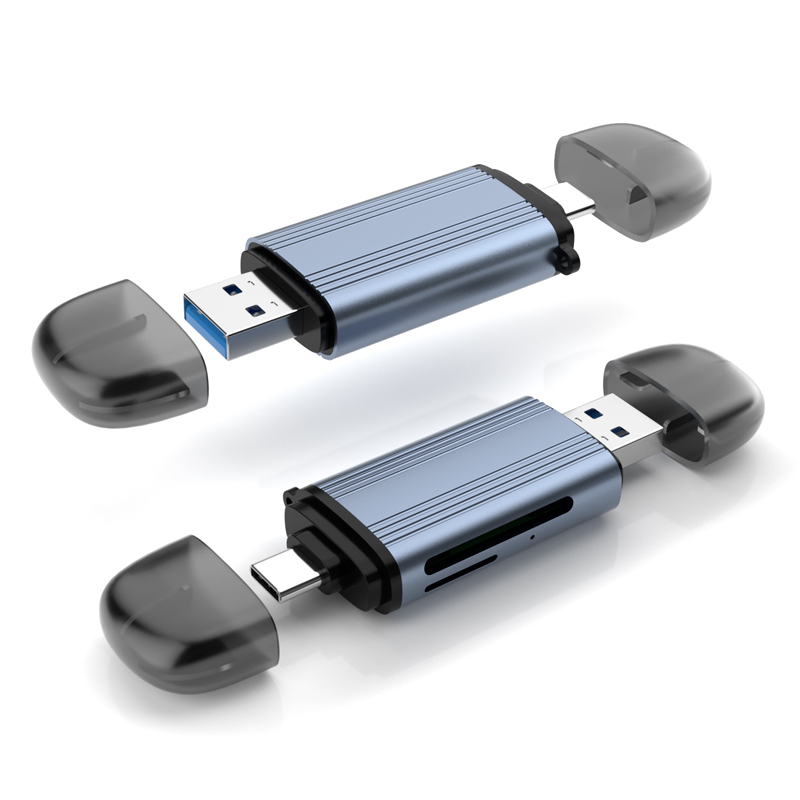
Internal storage drives were originally designed to connect to the SATA or M.2 interface inside the computer, but with the help of a solid-state drive (SSD) or hard drive enclosure, it can be transformed into a portable backup tool connected via USB in seconds. Whether you want to convert an old drive into external storage, purchase a new SSD to go external, or simply plug in a new SSD to clone your system, choosing the right hard drive enclosure is crucial.
Price range: choose as needed
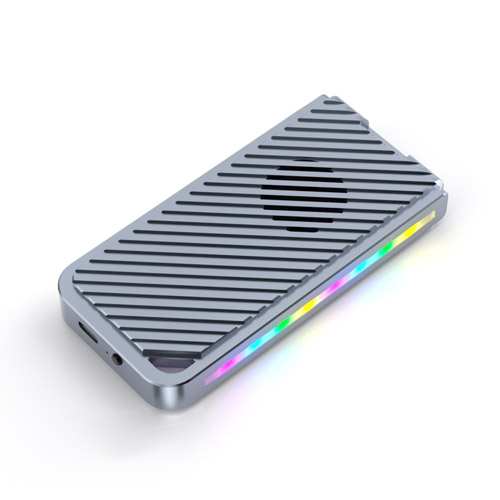
Depending on the storage type and connection speed requirements, the price of SSD or hard drive enclosures fluctuates between $12 and $150. Most products have basic functions to protect the drive, assist in heat dissipation and interface conversion, and some high-end models also come with RGB lighting or status menus. After testing more than a dozen models, we have sele-cted the right one for you. If you don't want to mess with the internal drive, you can directly choose an external SSD; however, it is often more cost-effective to install the drive in your own hard drive enclosure, and it is convenient to upgrade the capacity later without changing the enclosure.
Size adaptation: precise matching
The first question when purchasing is size. 2.5-inch hard drives/SSDs correspond to 2.5-inch SATA enclosures; 3.5-inch hard drives require 3.5-inch SATA enclosures. M.2 SSDs require M.2 enclosures. If the SSD is shorter than the standard 2280 mm (80 mm), pay attention to whether the enclosure is equipped with short-size mounting screws. In addition, M.2 SATA SSDs and NVMe SSDs have different standards. Most M.2 enclosures only support NVMe. Confirm the type of enclosure support before selecting.
Speed selection: set on demand
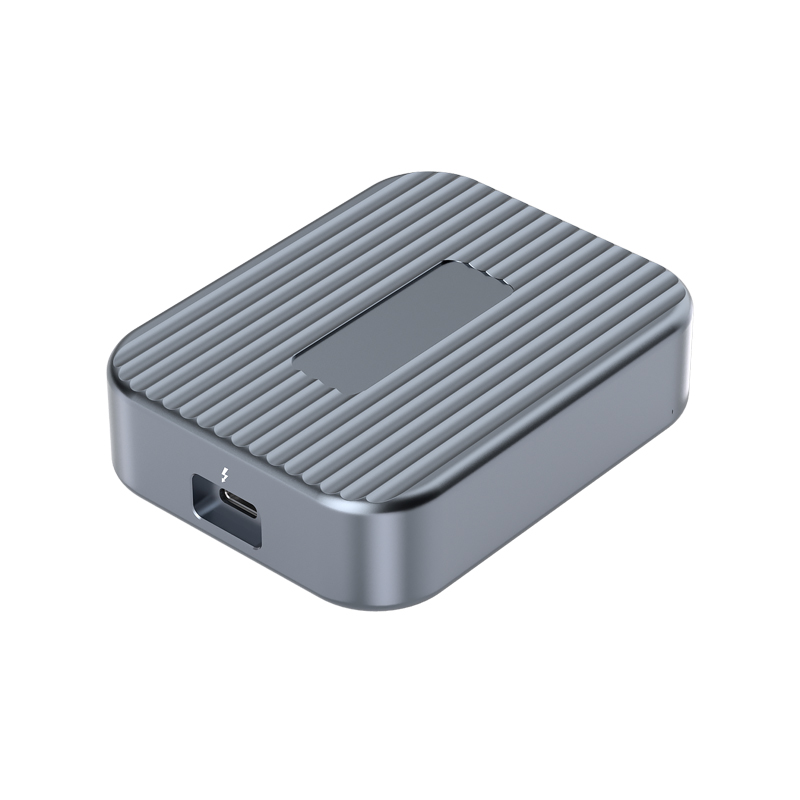
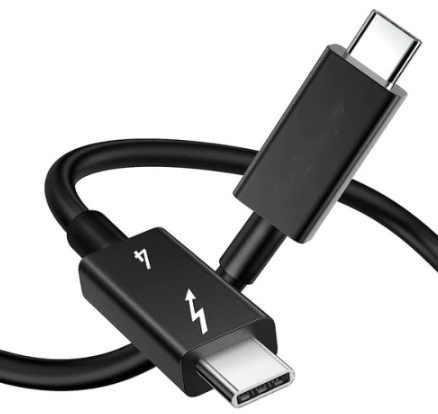
The enclosure transfer speed is determined by the USB port and the computer port. 2.5-inch and 3.5-inch hard drive/SSD enclosures mostly run at 5 Gbps USB (USB 3/3.1 or 3.2 Gen 1); M.2 SSD enclosures are commonly 10 Gbps (USB 3.1 or USB 3.2 Gen 2). High-end models above $130 support USB 4, Thunderbolt 3 or 4, up to 40 Gbps; some support 20 Gbps USB (USB 3.2 Gen 2x2 or USB 4 20 Gbps). For most users, 10 Gbps is enough. Note that Thunderbolt enclosures may not work when plugged into non-corresponding ports, and USB 4 enclosures are nominally compatible with USB 3.x, but in actual tests, there are incompatibilities.
Frequency of use: Designed to adapt
Most M.2 SSD enclosures are "one-time installation" type, and are used for a long time after the hard drive is installed and the screws are tightened. If you need to change disks frequently, a tool-free hard drive enclosure is more worry-free, and there is no need to repeatedly toss and disassemble the screws.